2024
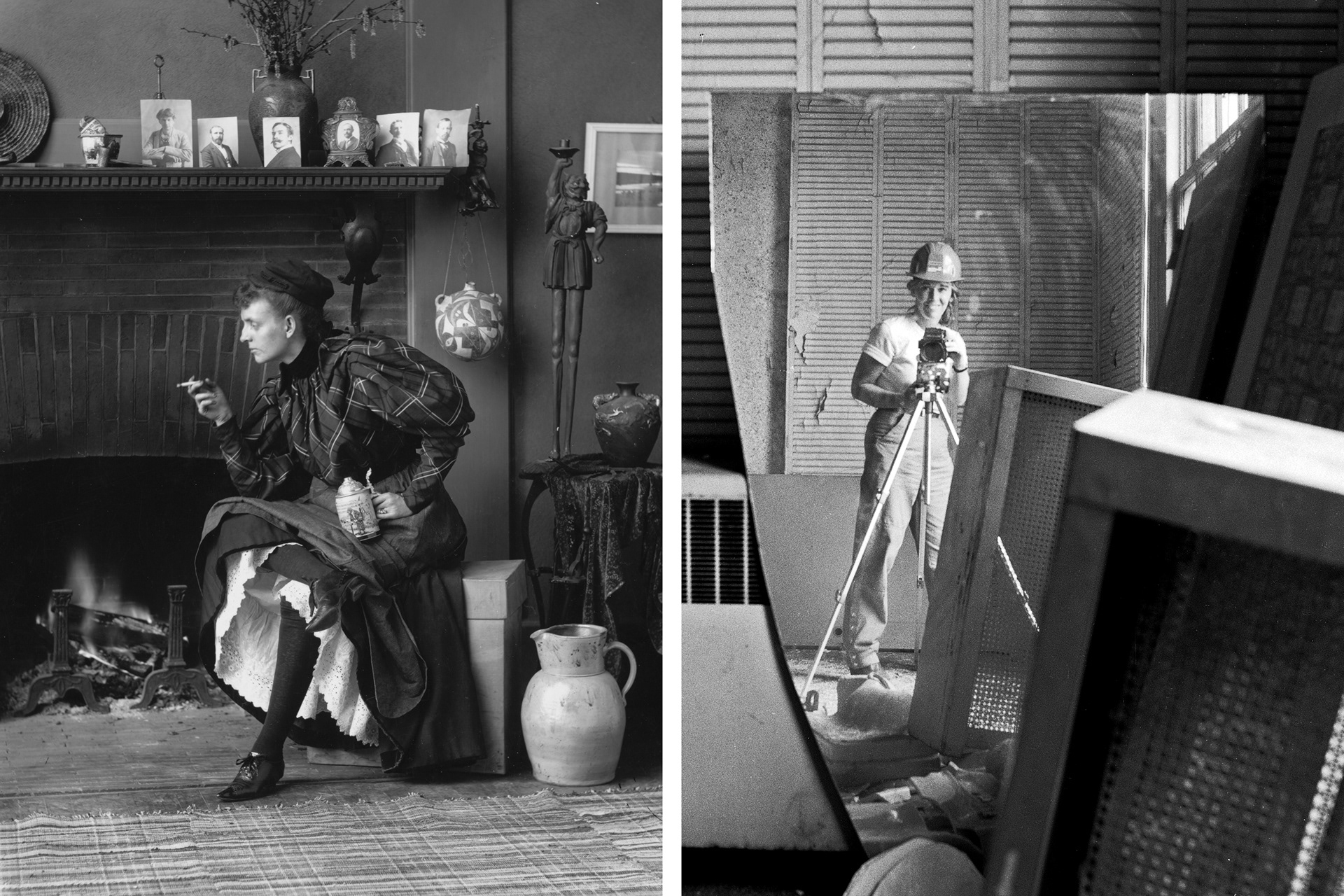
American society has undergone enormous changes since the late 19th century, and, in some cases, its history has been lost to time. In celebration of America’s 250th anniversary, America for the Ages aims to inspire renewed appreciation of the nation’s diversity and majesty through the discerning eyes of two distinguished photographers: Frances Benjamin Johnston (1864–1952) and Carol M. Highsmith (1946–). Linked by fate and a shared vision, both photographers recognized the historical significance of visual documentation for future generations.
Johnston, an early pioneer in photography, crisscrossed America with an 8x10 camera from the 1890s through the 1940s. Her photographs shed light on the country’s evolving industrial, political, and social landscapes in the early 20th century. Inspired by Johnston’s approach, Highsmith followed in her footsteps half a century later, using a large-format camera to document scenes of American life in all 50 states, Washington, D.C., and many U.S. territories.
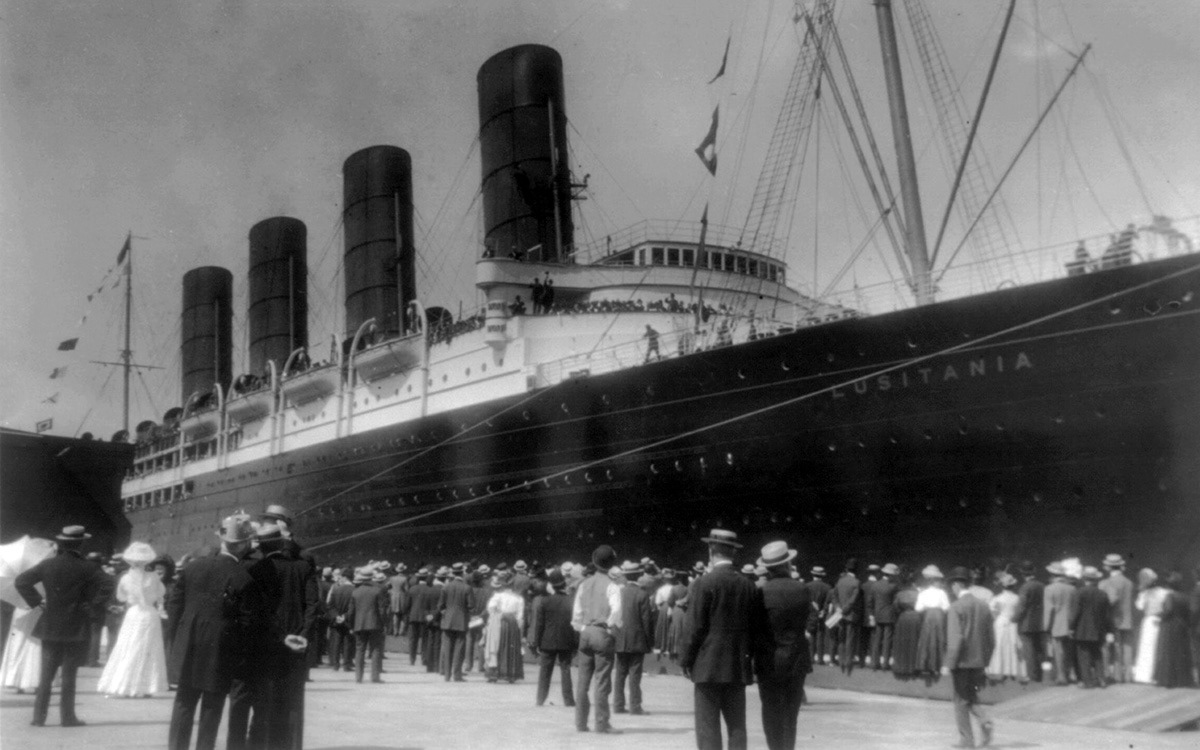
Passengers on the Lusitania wave to a crowd gathered on the dock as it arrived for the first time in New York on September 13, 1907. Frances Benjamin Johnston Collection, Library of Congress, Prints and Photographs Division, LC-USZ62-40388
—
Frances Benjamin Johnston studied drawing and painting at the Académie Julian in Paris. Her true calling—journalism and photography—emerged upon her return to Washington, D.C. By the early 1890s, she opened a professional studio and became one of the first American women to gain notoriety as a photojournalist, portrait photographer, and unofficial White House photographer to four administrations.
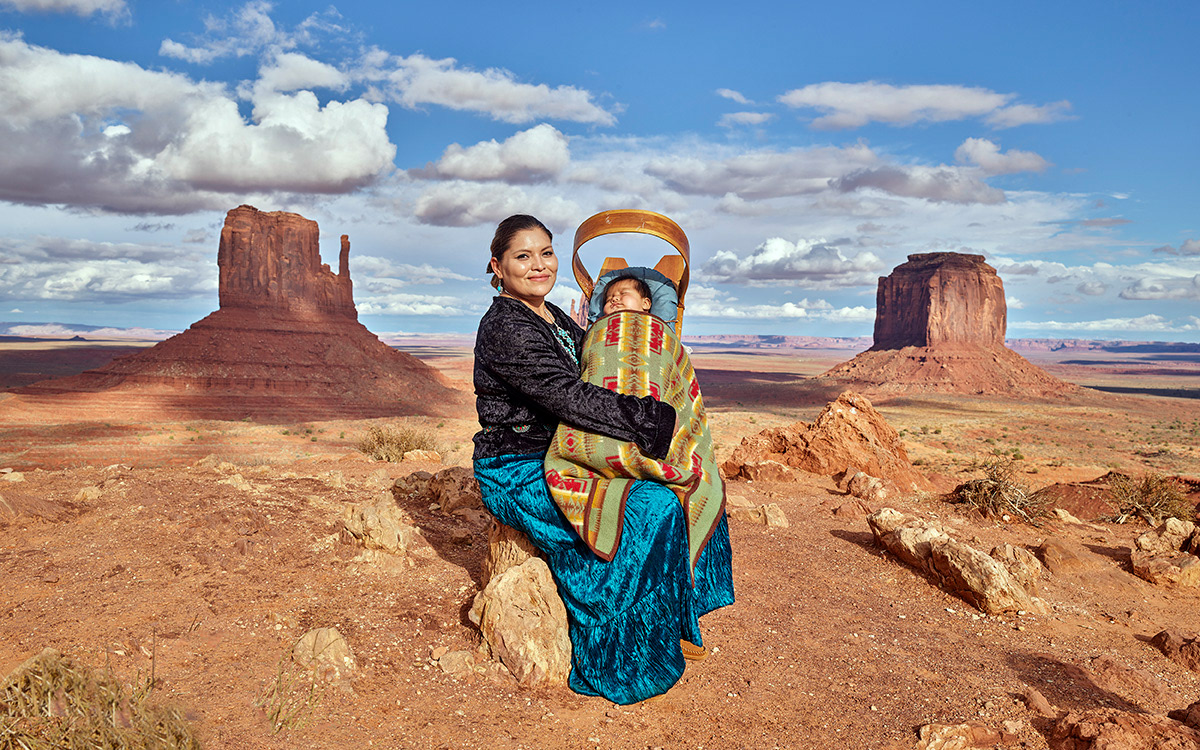
A Native American woman and her child pose on the Navajo Nation in Monument Valley amid sandstone buttes in Northern Arizona near the Utah border. Courtesy of Carol M. Highsmith
—
Carol M. Highsmith is a renowned visual documentarian for the Library of Congress, the world's largest library. Her and Johnston’s collections are the top two of six featured collections out of more than 14 million images in the library’s Prints & Photographs Division’s holdings. The two women’s work resides alongside that of Civil War master photographer Mathew Brady, Depression- and Dust Bowl-era photojournalist Dorothea Lange, and the Historic American Buildings Survey.
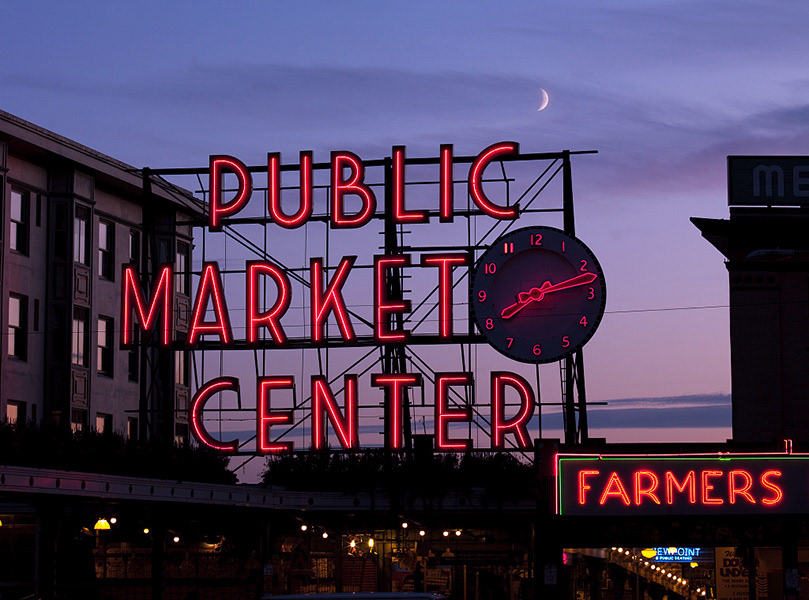
Founded in 1907, Pike Place Market on Seattle’s waterfront is one of the oldest continuously operating public markets in the country. Its iconic sign was created by architect Andrew Willatsen and erected in 1937. Highsmith documented the sign at dusk in August 2009. Carol M. Highsmith’s America, Library of Congress, Prints and Photographs Division, LC-DIG-highsm-04067
—
Frances Benjamin Johnston:
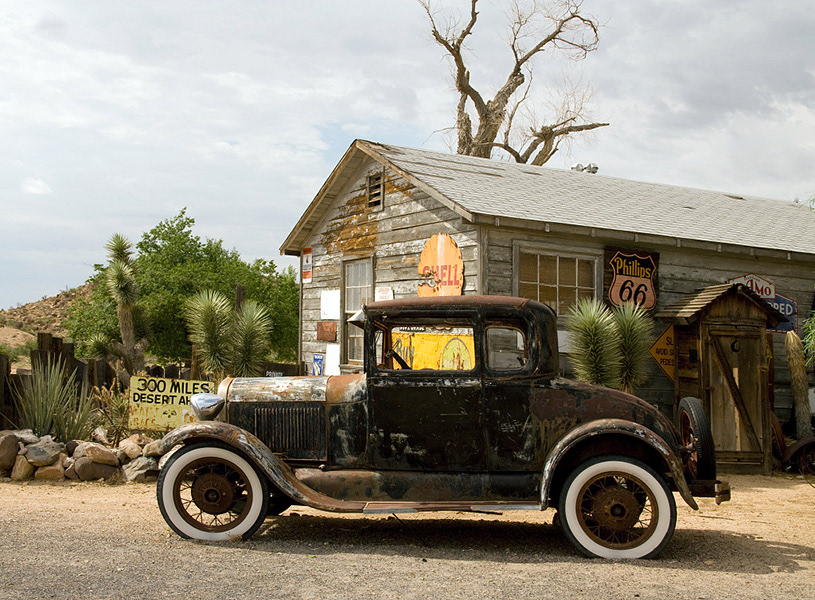
The Hackberry General Store, south of the Hualapai Indian Reservation in Arizona, appeals to the old soul of every traveler haunted by nostalgia along historic U.S. Route 66, 2006. Carol M. Highsmith’s America, Library of Congress, Prints and Photographs Division, LC-DIG-highsm-04067
—
After introducing Johnston and Highsmith’s lives and legacies, the exhibition will present around 100 photographs of scenes and sites, landscapes, and an array of America’s people captured between 1890 and the present. Supporting materials may include newspaper articles, magazine spreads, videos, and audio sound bites by broadcast reporters. Its design will awaken an appreciation of our indelible land and the astounding accomplishments of these two trailblazers by employing a classic American aesthetic, blending vintage and modern elements with a subtle yet harmonious use of reds, whites, and blues. Organized by theme as part of America’s 250th birthday celebration in 2026, the exhibition will provide a rich experience for visitors of all ages.
—
Upon visiting this exhibition, visitors will be able to:
—Explore America’s rich past and evolving present through the lens of documentary photography.
—Compare and contrast photographs depicting scenes of Americana from the 19th into the 21st centuries.
—Recall historic buildings and sites, landscapes, and people that express the American spirit between 1890 and the present.
—Explain the importance of visual documentation for posterity and the incredible value of free access to archival images for use by future generations.
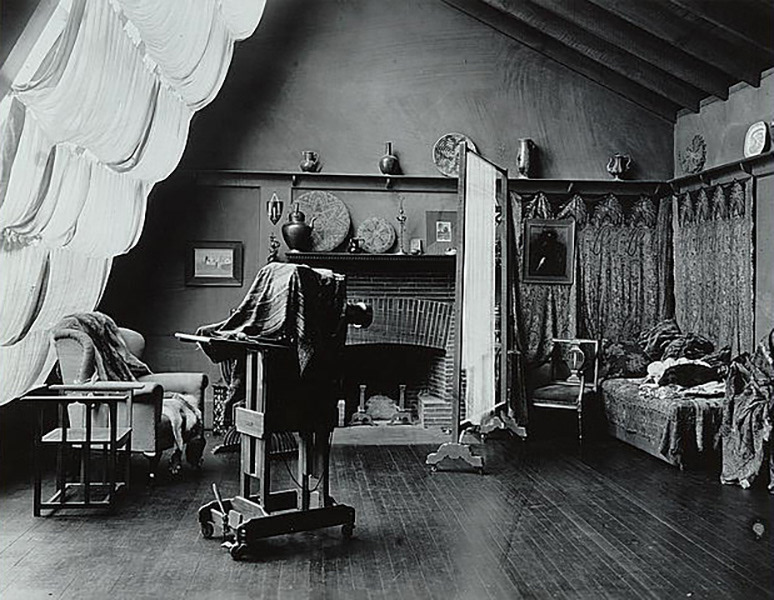
By 1895, Johnston opened a commercial photography studio behind her parents' house at 1332 V St. NW in Washington, D.C. Frances Benjamin Johnston Collection, Library of Congress, Prints and Photographs Division, LC-DIG-ppmsc-04835
—
This exhibition aims to attract:
—Historians, history enthusiasts, and researchers captivated by America’s enduring spirit across the ages can study its aspirations and cultural heritage through photographs preserved for future generations.
—Journalists and photographers will examine Johnston and Highsmith’s photographic approaches, along with supporting materials that chronicled their extraordinary experiences as visual storytellers traversing the American landscape.
—Teachers and students interested in lessons about the nation’s evolving history can utilize the work of two legendary photographers who reveal the diversity and beauty of this country’s people and places—from sea to shining sea.
—International citizens and tourists captivated by tales of American enterprise and innovation will discover remarkable photographs by two self-made women from vastly different eras who dared to accomplish the unthinkable.
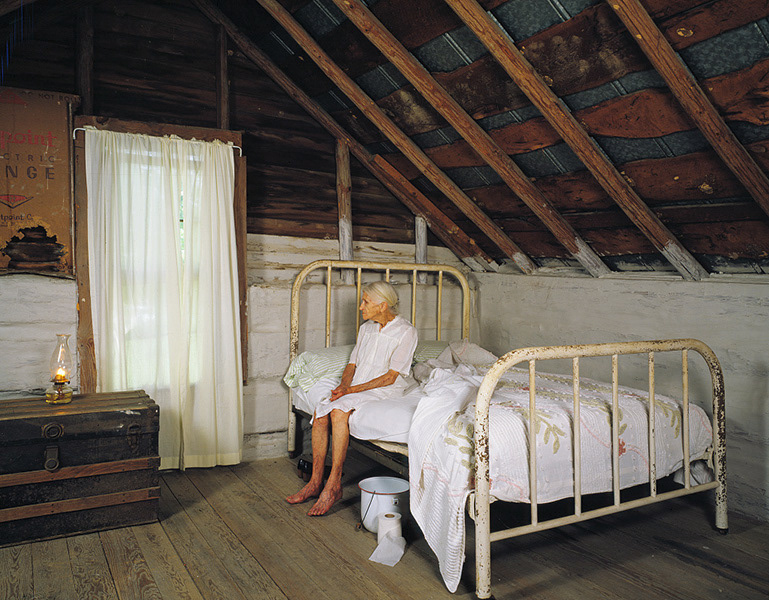
Kate Carter, on her 90th birthday, posed in the log cabin where Highsmith’s great-grandfather, Pleasant Jiles Carter (1847-1931) and grandfather, Yancey Ligon Carter (1873-1947) were born and lived in Wentworth, North Carolina, 1985. Carol M. Highsmith Archive, Library of Congress, Prints and Photographs Division, LC-DIG-highsm-11830
—
$181,610 or about 9% of a $2 million annual exhibition expenditure. The reasonable cost per square foot would range from $45 to $72.
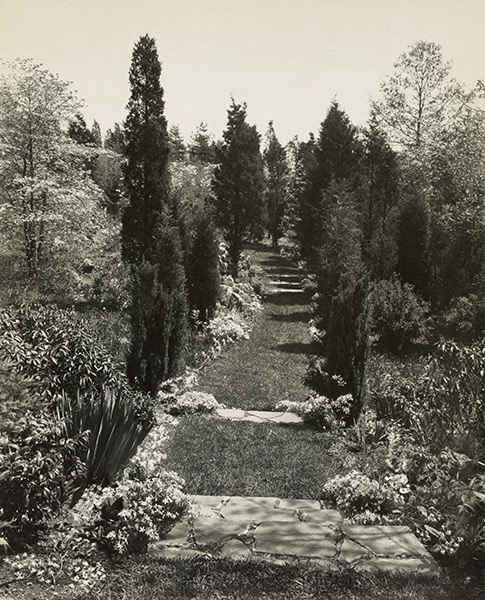
Johnston photographed this scene, a grassy path with steps from a rose garden to a wildflower sanctuary, at Robert Low Bacon’s estate in Old Westbury, Long Island, New York, before 1930. Frances Benjamin Johnston Collection, Library of Congress, Prints and Photographs Division, LC-DIG-ppmsca-37464
—
Exhibition Tour:
—Finding Vivian Maier (2013) is the intriguing story of the enigmatic and masterful street photographer who, over five decades, captured over 100,000 negatives, which she never revealed to the world.
—American Masters—Dorothea Lange: Grab a Hunk of Lightning (2014) explores the life, passions, and uncompromising vision of the influential photographer, whose enduring images document five turbulent decades of American history, including the Great Depression, the Dust Bowl, and World War II Japanese internment camps.
—Berenice Abbott: A View of the 20th Century (1992) examines the life and legacy of one of the greatest American photographers of the 20th Century. From her portraits of the avant-garde taken in Paris during the 1920s to her documentation of New York in the 1930s, to her science photography of the 1950s, and her studies of small-town America, Abbott’s genius lies in the incredible range of her work.
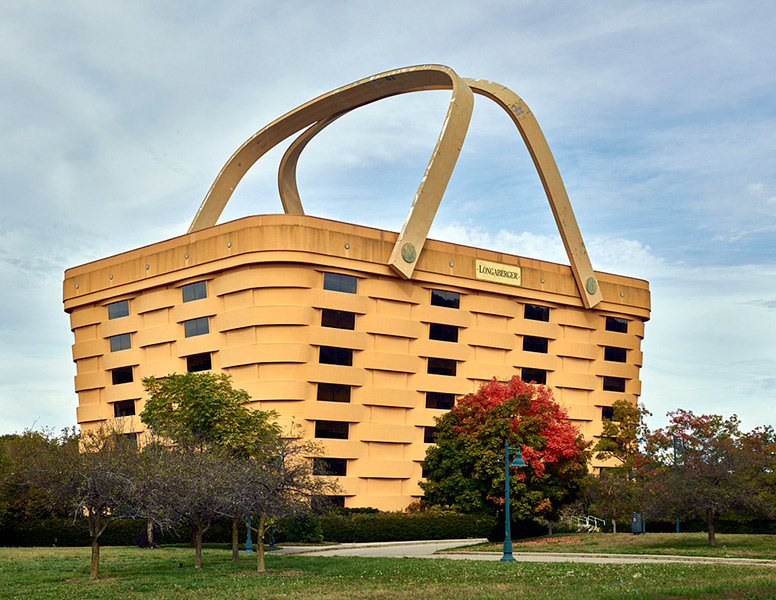
An iconic landmark in Newark, Ohio, the “Big Basket” epitomized the Longaberger Co. brand until 2016 when it relocated its corporate headquarters to Frayzesburg, near Dresden. Highsmith framed this view that same year. Carol M. Highsmith Archive, Library of Congress, Prints and Photographs Division, LC-DIG-highsm-41857
—
Frances Benjamin Johnston:
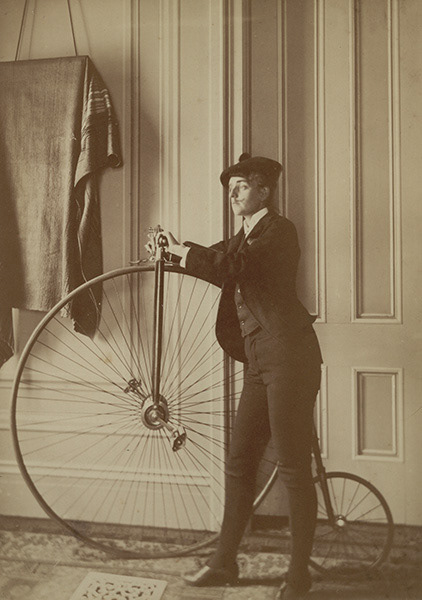
1. Johnston photographed herself in the 1890s with a penny-farthing bicycle wearing men’s clothing and a fake moustache. She provoked “polite” society by challenging expected gender roles of the period.
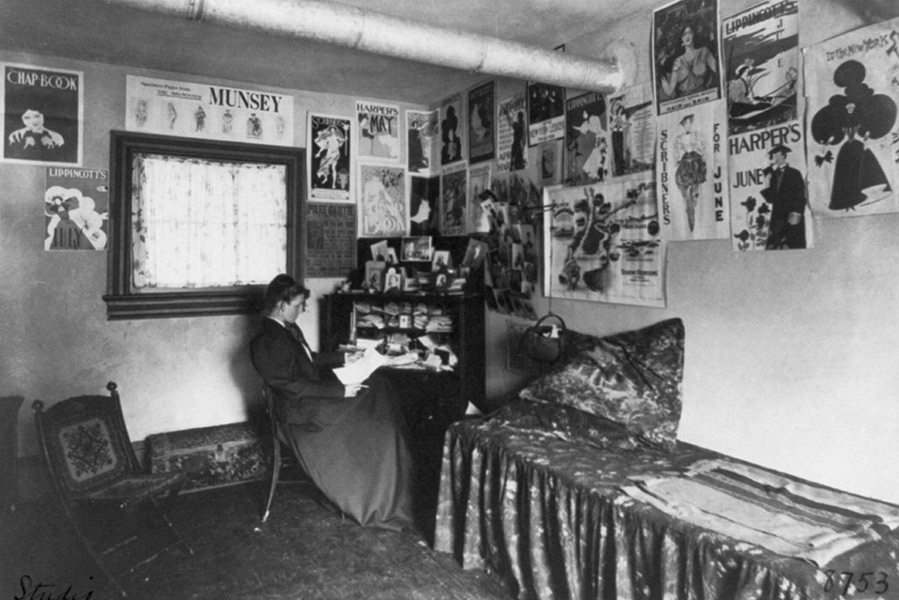
2. Johnston at her desk in her den at 1332 V St. NW in Washington, D.C.
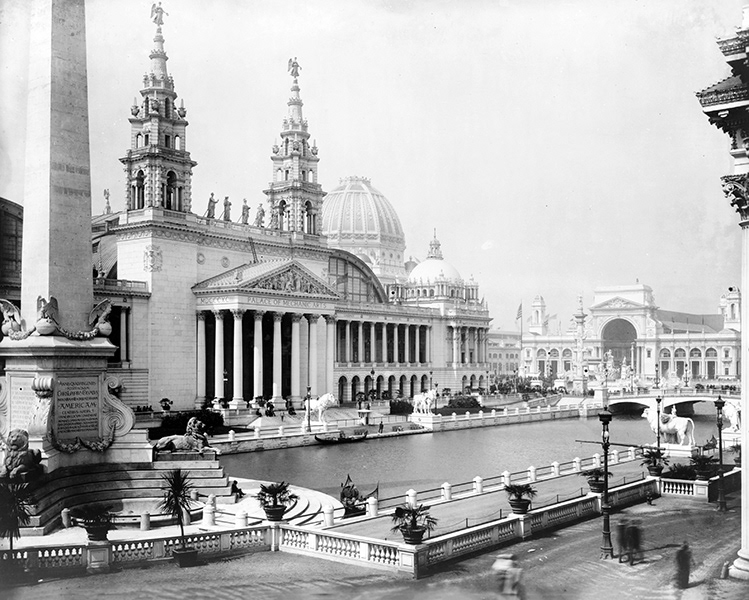
3. The 1893 World’s Columbian Exposition, also known as the “Great White City,” consisted of spectacular yet mostly temporary structures.
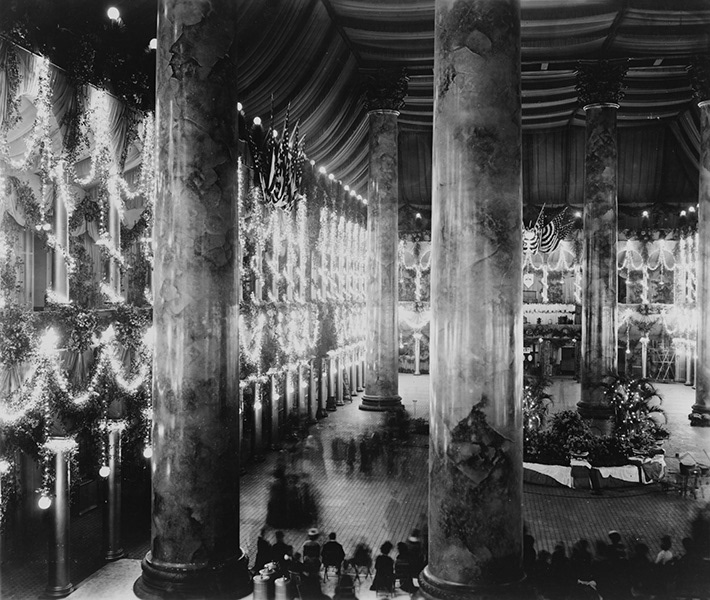
4. Johnston’s aerial view of the Pension Building, the location of William McKinley’s inaugural ball in Washington. Later, she would capture his final speech before he was assassinated in Buffalo, New York.
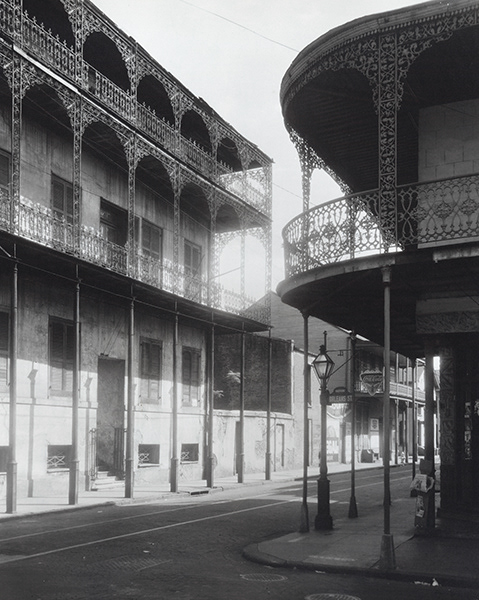
5. Johnston secured a final Carnegie grant in 1937, permitting her to photograph sites in Louisiana, including buildings at the corner of Dauphine and Orleans streets in New Orleans. By 1945, she had moved to New Orleans and settled in the French Quarter.
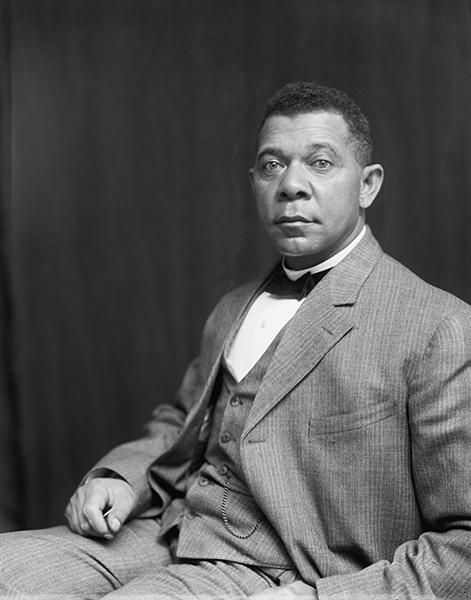
6. Booker T. Washington, who founded the Tuskegee Institute in Alabama, was photographed by Johnston in 1902.
1. Frances Benjamin Johnston Collection, Library of Congress, Prints and Photographs Division, LC-DIG-ppmsc-04884
2. Frances Benjamin Johnston Collection, Library of Congress, Prints and Photographs Division, LC-DIG-ppmsca-50057
3. Frances Benjamin Johnston Collection, Library of Congress, Prints and Photographs Division, LC-USZ62-116999
4. Frances Benjamin Johnston Collection, Library of Congress, Prints and Photographs Division, LC-USZ62-127015
5. Frances Benjamin Johnston Collection, Library of Congress, Prints and Photographs Division, LC-DIG-ppmsca-09508
6. Frances Benjamin Johnston Collection, Library of Congress, Prints and Photographs Division, LC-J694-255
—
Carol M. Highsmith:
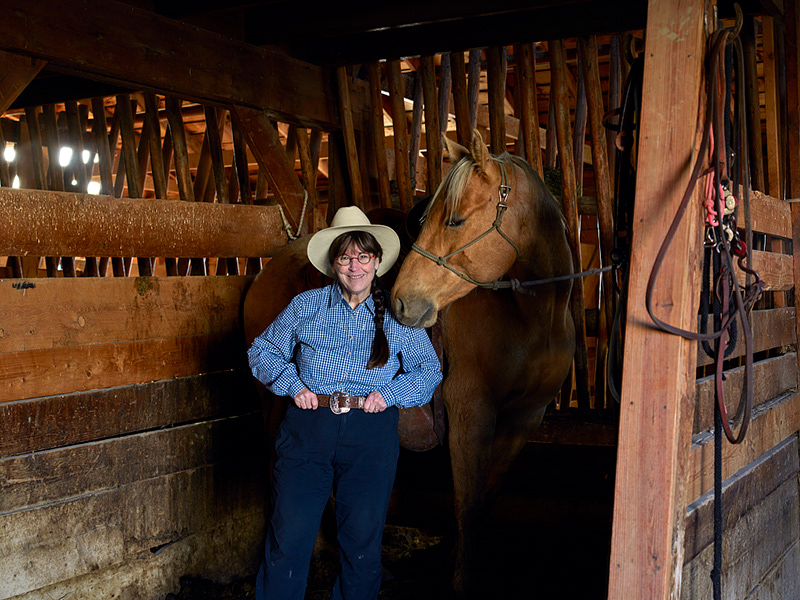
1. Carol Highsmith and an admiring friend, Amarillo, at the Big Creek Ranch in Wyoming.
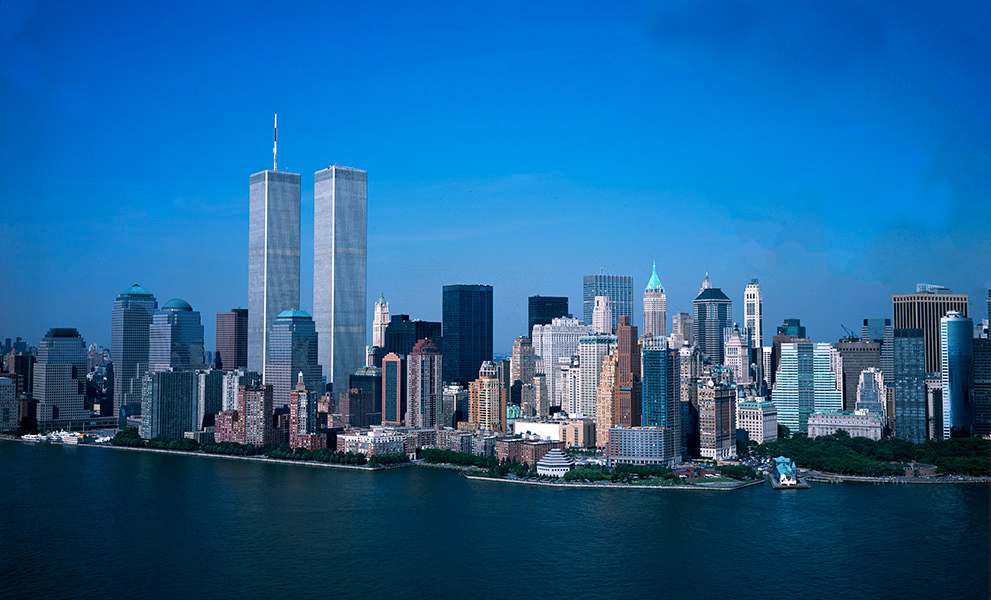
2. Highsmith captured this pristine view of the World Trade Center’s Twin Towers one month before terrorists hijacked airliners to bring them down on September 11, 2001.
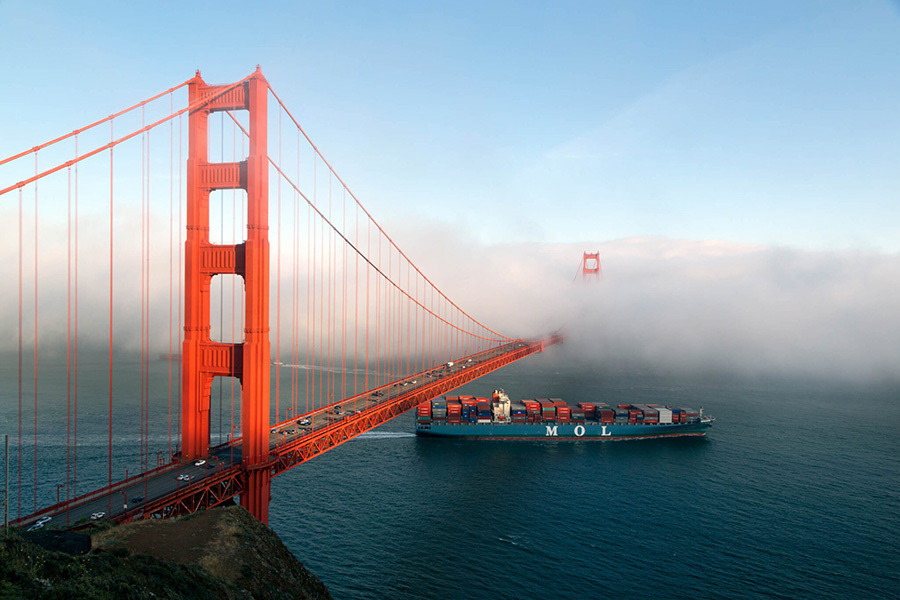
3. When advection fog forms near San Francisco’s Golden Gate Bridge, workers sound foghorns to help guide vessels as they pass under it. Highsmith recorded this enchanting scene in 2012.
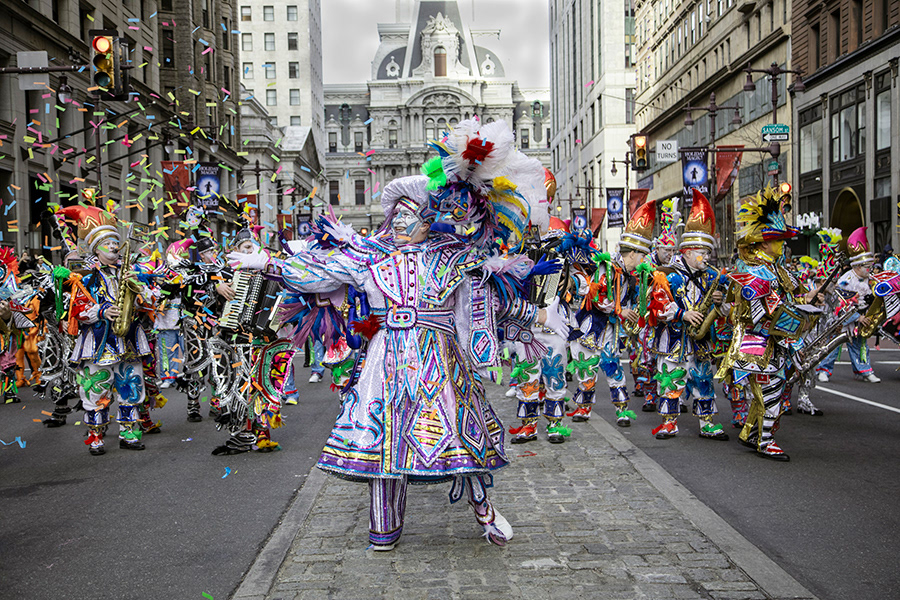
4. Durango & Silverton Narrow Costumed entertainers cavorted near Philadelphia City Hall at the Mummers Parade on New Year’s Day.
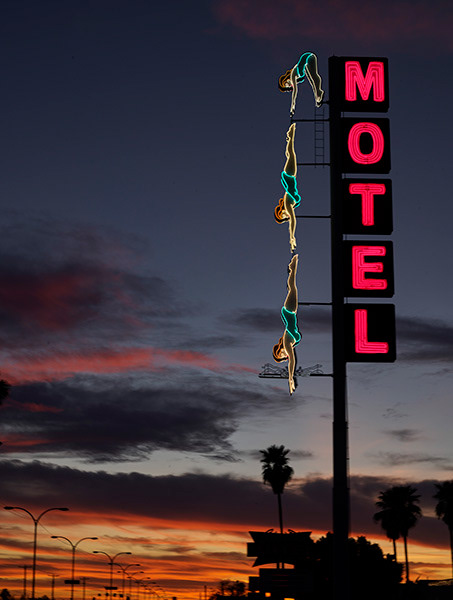
5. Highsmith documented this creative “diver” neon sign at the Starlight Motel in Mesa, a small Arizona city that became one of sprawling Phoenix’s many suburbs.
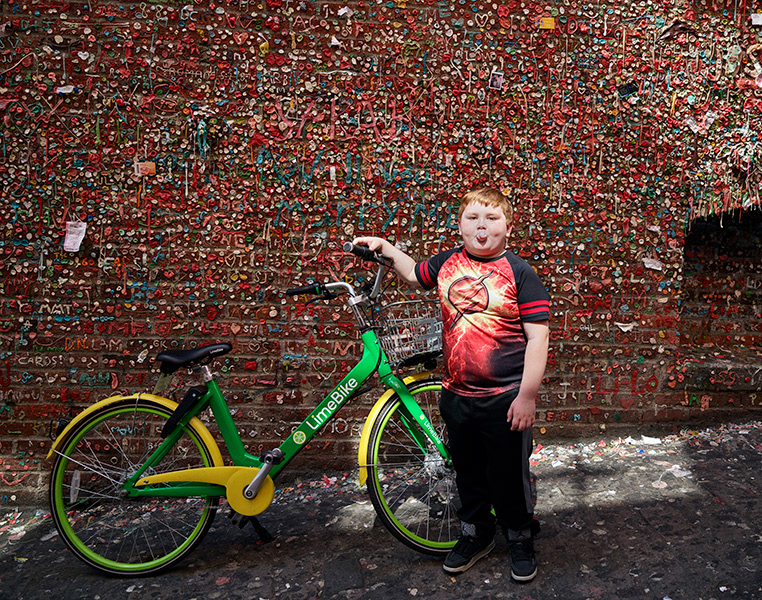
6. The bubble of gum enjoyed by this youngster in Seattle soon joined hundreds of other wads stuck to Gum Wall, a somewhat unsanitary tourist attraction near the city’s famous Fish Market.
1. Gates Frontiers Fund Wyoming Collection within the Carol M. Highsmith Archive, Library of Congress, Prints and Photographs Division, LC-DIG-highsm-47661
2. Courtesy of Carol M. Highsmith
3. The Jon B. Lovelace Collection of California Photographs in Carol M. Highsmith’s America Project, Library of Congress, Prints and Photographs Division, LC-DIG-highsm-22118
4. Carol M. Highsmith’s America Project in the Carol M. Highsmith Archive, Library of Congress, Prints and Photographs Division, LC-DIG-highsm-56030
5. Carol M. Highsmith Archive, Library of Congress, Prints and Photographs Division, LC-DIG-highsm-49784
6. Carol M. Highsmith Archive, Library of Congress, Prints and Photographs Division, LC-DIG-highsm-50434
—
Venues: None
Size: 2,500–4,000 SF
Content: Objects (100), including framed photographs, correspondence, ephemera, and audio-visual items.
—
Roles: Research, Exhibition Proposal Development
—
Project lead: Carol M. Highsmith